
"Ethiopian processing"
4000 article(s) found

Ethiopian coffee origin Ethiopian coffee processing methods Processing methods
The bulk of coffee production (95%) is done by small shareholders, with an average yield of 561 kg/ha. For centuries, small shareholders of Ethiopian coffee farms have been producing a variety of high-quality coffee types. The secret to producing good coffee is that coffee farmers have developed environmental conditions through generations of repeated learning of the coffee growing process.

Ethiopian Coffee processing in Ethiopian Coffee producing areas
A large amount of coffee production (95%) is done by small shareholders, with an average yield of 561 kg per hectare. For centuries, minority holders of Ethiopian coffee farms have been producing a variety of high-quality types of coffee. The secret of producing high-quality coffee is that coffee growers have developed environmental conditions through generations of repeated learning about the coffee planting process.

Development of Ethiopian Coffee characteristics of Ethiopian Coffee
Coffee Workshop (official Wechat account cafe_style) Coffee from Africa and Arabia: Ethiopian coffee was originally developed in Yemen as a commercial crop, but Arabica coffee tree originated in the highlands across the Red Sea in western Ethiopia, where people are still harvesting wild berries. Today

Coffee Flavor characteristics of Ethiopian LikitoLikotu processing Plant _ Ethiopian small Coffee
Professional coffee knowledge exchange more coffee bean information please follow the coffee workshop (Wechat official account cafe_style) Ethiopia Yirgacheffe Likito Natural G1 Ethiopian coffee sun Yega Xuefei G1 Rico processing factory flavor description: tropical fruit, up citrus notes, orange fruit, strawberry, solid taste, fine sour Yega Xuefei in boutique coffee

Essential basic knowledge of Ethiopian Coffee-Flavor Story of Ethiopian washed Coffee Bean producing area
Professional coffee knowledge exchange more coffee bean information please follow the coffee workshop (Wechat official account cafe_style) basic knowledge of Ethiopian coffee overview of land area: 1104300 square kilometers capital: Addis Ababa (Addis Ababa) trading city: Dre Dawa (dinosaur Dawa) population: 102774044 (May 2017) language:

Fine coffee Ethiopian coffee bean quality Ethiopian coffee bean processing method
The coffee tree originated in Ethiopia, which was originally a wild plant here, and the name coffee comes from the Ethiopian town of Kaffa. In fact, many coffee trees in Ethiopia are still wild plants, and the coffee grown on this coffee tree is full-grained and slightly alcoholic. Humans may have known how to grow coffee trees as early as the 9th century, but

What is Ethiopian Coffee belief? Ethiopian Coffee tradition
More information on coffee beans Please follow Coffee Workshop (official Wechat account cafe_style) among the coffee-producing countries, Ethiopia has an almost legendary status, not only because it is the birthplace of Arabica coffee, but also because it is different from most coffee-growing countries, coffee is not a plant that colonizes an alien cash crop. Planting, processing

Ethiopian Coffee Processing Method Processing Method Sunlight
The birthplace of coffee-Ethiopia. The coffee tree originated in Ethiopia, where it was originally a wild plant, and the name coffee comes from the Ethiopian town of Kaffa. In fact, many coffee trees in Ethiopia are still wild plants, and the coffee grown on this coffee tree is full of particles and slightly fragrant. Humans may have been as early as the 9th century

Ethiopian Coffee Processing Method Processing Method Sunlight
The birthplace of coffee-Ethiopia. The coffee tree originated in Ethiopia, where it was originally a wild plant, and the name coffee comes from the Ethiopian town of Kaffa. In fact, many coffee trees in Ethiopia are still wild plants, and the coffee grown on this coffee tree is full of particles and slightly fragrant. Humans may have been as early as the 9th century

Ethiopia Wolichu Wachu Wulichuachu processing Plant-Ethiopian Bourbon Coffee beans
Professional Coffee knowledge Exchange for more information on coffee beans please follow the new batch of Ethiopian coffee from the small processing plant in the coffee workshop (Wechat official account cafe_style) on the other side of the mountain. Altitude: 2100-2310 m area: Guji washing station: Walichu Wachu (Wali out) bean seed: Ethiopian native species Ethiopian Heirloom washing place

Ethiopian Coffee Processing Method Processing Method Sunlight
The birthplace of coffee-Ethiopia. The coffee tree originated in Ethiopia, where it was originally a wild plant, and the name coffee comes from the Ethiopian town of Kaffa. In fact, many coffee trees in Ethiopia are still wild plants, and the coffee grown on this coffee tree is full of particles and slightly fragrant. Humans may have been as early as the 9th century
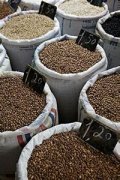
The origin and development of Ethiopian fine coffee beans
Ethiopian coffee beans

Why Ethiopian coffee is so popular the history of Ethiopian coffee tells you
Professional Coffee knowledge Exchange more information about coffee beans Please follow the coffee workshop (official Wechat account cafe_style) there are many reasons why coffee in Africa, especially Ethiopian coffee. Ethiopia's coffee industry is steeped in a rich blend of history, tradition and facts with historical fiction. From the story of Caldy and his ant goat to what coffee lovers call Yir

Ethiopian Coffee introduction Coffee beans Coffee processing Coffee Flavor Ethiopian Coffee details
Ethiopia is the hometown of Arabica coffee, and it is in the forests of Kaffa that you can see wild Arabica coffee. In Ethiopian, coffee is called Bun or Buna, and coffee beans (coffeebean) may be translated from Kaffa Bun. Arabica coffee was discovered early in the Harald area, probably from Kafa.

The Story of Ethiopian Coffee beans introduction to Ethiopian Coffee Bean Culture
Professional coffee knowledge exchange more coffee bean information please follow the coffee workshop (Wechat official account cafe_style) Africa is the third largest coffee producing region in the world, while Ethiopia is the legendary birthplace of coffee! As for Yegashev, it is one of the major coffee producing areas in Ethiopia. When the position is 1700 2100 meters above sea level, it produces Arabica (A

Introduction to the method of Flavor description, Grinding Calibration and Variety treatment in Shaqiso producing area of Ethiopian Coffee
Ethiopian Coffee Coffee Shachiso Flavor description Grinding Calibration Variety treatment method introduces the grade of Ethiopian coffee: Ethiopian washed coffee Yega Xuefei G1 G2 Sidamo (Yirgacheffe, Sidamo) the highest grades are grade 2 and 3 (G2, G3), and most of the sun-processed coffee in eastern Ethiopia are grade 4 or 5 (G4, G5).

Ethiopian Coffee Bean Story Ethiopian Coffee introduction to Ethiopia Yega Xuefei
Professional coffee knowledge exchange more coffee bean information please follow the coffee workshop (Wechat official account cafe_style) Ethiopian coffee beans Ethiopia has always been regarded as the birthplace of coffee. When you understand the local way of handling coffee, you can probably understand that this imperial status is well-deserved. Even under the worst production conditions, coffee trees are replaced by others.
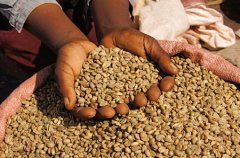
Ethiopian boutique coffee introduces Ethiopian boutique coffee taste Ethiopian coffee
Ethiopia is one of the major producers of Arabica coffee in Africa, producing the best Arabian coffee in the world. It is said that coffee was first discovered by shepherds in Essekafa, and the name of coffee evolved from Kafa, so Essex is still the hometown of coffee. The geographical environment of coffee production and processing is very suitable for coffee growth. Coffee is mainly cultivated.

Unique Ethiopian Coffee Estate Boutique Coffee Bean Cultivation Location Climate Sea
Ethiopia is home to Arabica coffee, and it is in the forests of the Ethiopian Kaffa region that you can see Arabica coffee growing wild. In Ethiopian, coffee is called Bun or Buna, and coffeebean may be translated from Kaffa Bun. Arabica coffee was discovered early in the Harar area and is likely to come

Introduction to the story characteristics of Ethiopian boutique coffee beans
The highest grades of Ethiopian coffee are grade 2 and 3 (Yirgacheffe, Sidamo), while sun-processed coffee in eastern Ethiopia is mostly grade 4 or grade 5 (G4, G5). In many cases, the coffee label of level 4